← Tours
Tour 9

How New York Works

Seven projects reveal the hidden systems that move water, waste, electricity, information, people and care through New York.

New York works because vast systems operate behind ordinary moments: a glass of water, a light switched on, a phone call, a bus ride, a flight, a hospital visit. Joseph's projects offer an unusually human route into that hidden city. These seven stops travel from a Catskill reservoir to treatment plants, power stations, communications buildings, transportation hubs and medical campuses. Together they show that infrastructure is not an abstract network. It is made from rooms, walls and structures built by people—and it must keep evolving while millions of residents depend on it.

7 stops · 1951–1990 · 7 identified

Thematic — hidden systems. Each stop links to the full project record, where the sources, construction team and archival evidence are set out.

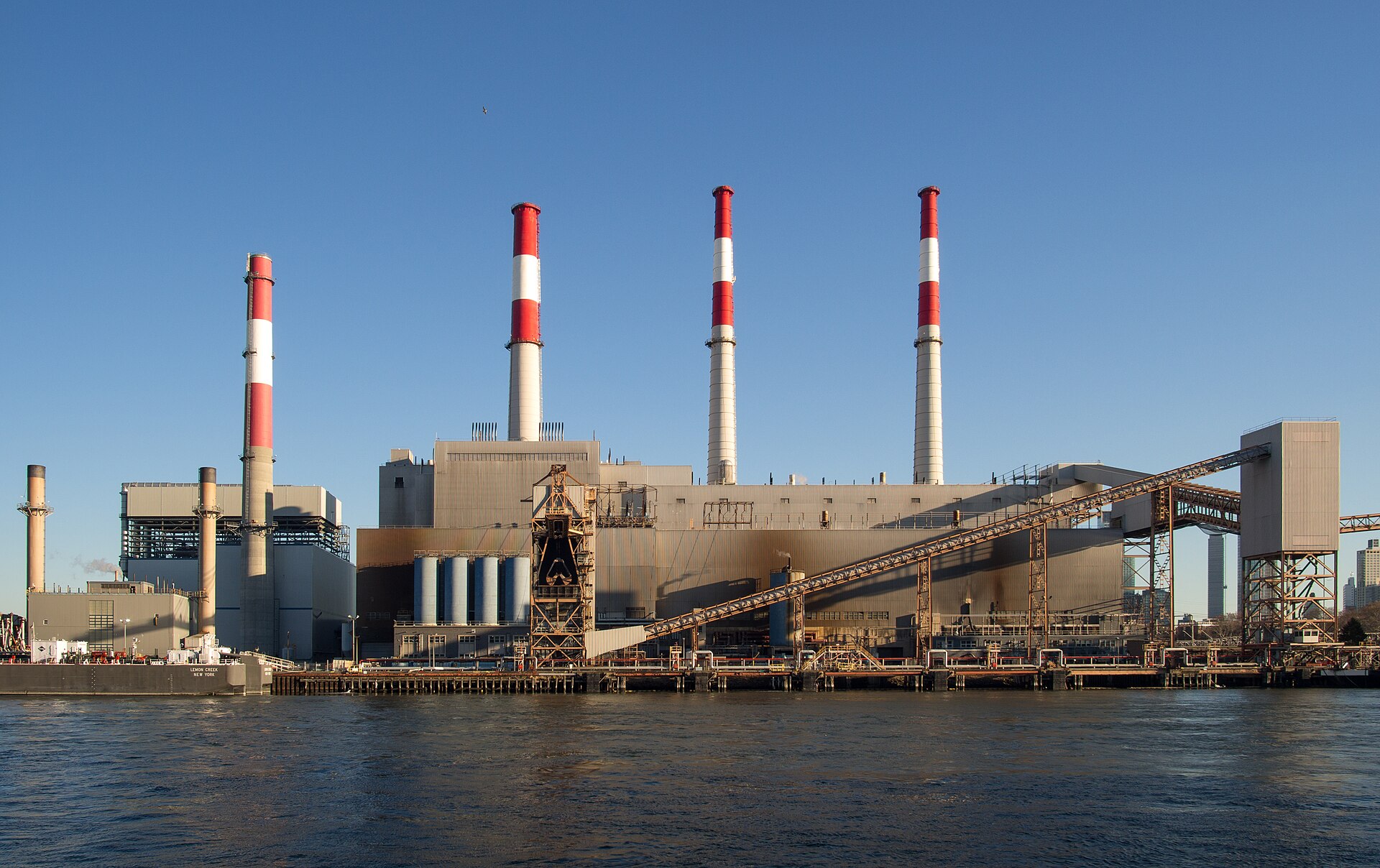
Ravenswood Generating Station in Long Island City, viewed from Roosevelt Island. Photographed in 2017; a current view, not a construction-period photograph.
Current view · 2017 · Photo: Rhododendrites · CC BY-SA 4.0
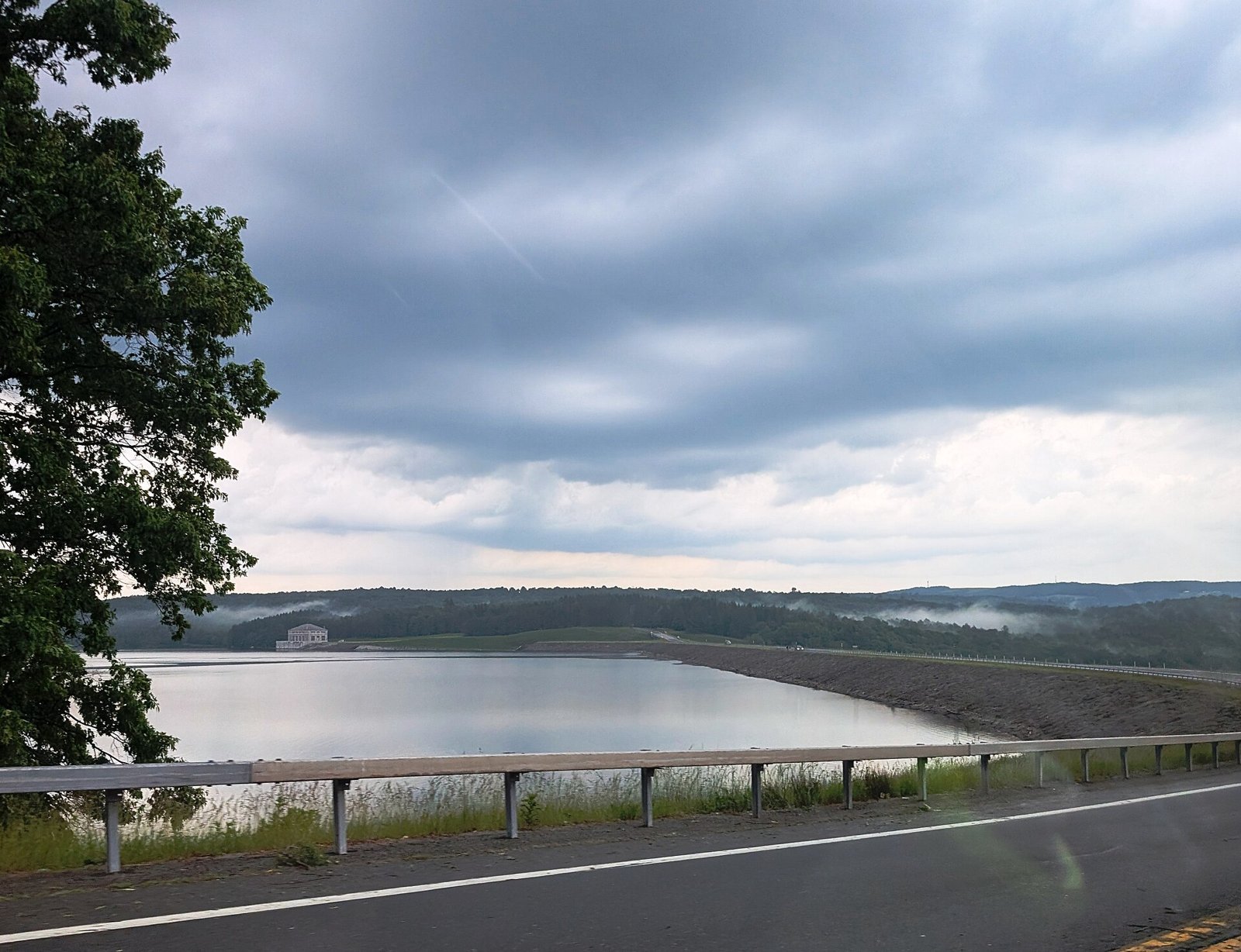
Neversink Reservoir and dam from NY 55, June 2026. The photograph shows the dam and reservoir, not the Grahamsville power house recorded on the list.
Current view · 2026 · Photo: Mr. Matté · CC BY-SA 4.0Infrastructure context: the Neversink Reservoir and dam, not the powerhouse. Not confirmed as Joseph's project building.
01 · 1954 · Grahamsville, Sullivan County, New York
Neversink Hydroelectric Plant / Power House, Grahamsville — very strong 1954 match

New Yorkers can turn on a tap without seeing the Catskill system behind it. At Neversink, reservoir water passes through a hydroelectric plant before continuing toward the city, producing electricity along the way. The plant entered service in 1954, close to Rita's 1953 entry. Start here because it collapses an enormous landscape into one surprising idea: the same engineered flow can supply drinking water, generate power and sustain a trout fishery.

Project identity
Very strong
Kelly connection
Family source
Masonry scope
Probable

Why this stopWater becomes power

Rita’s list

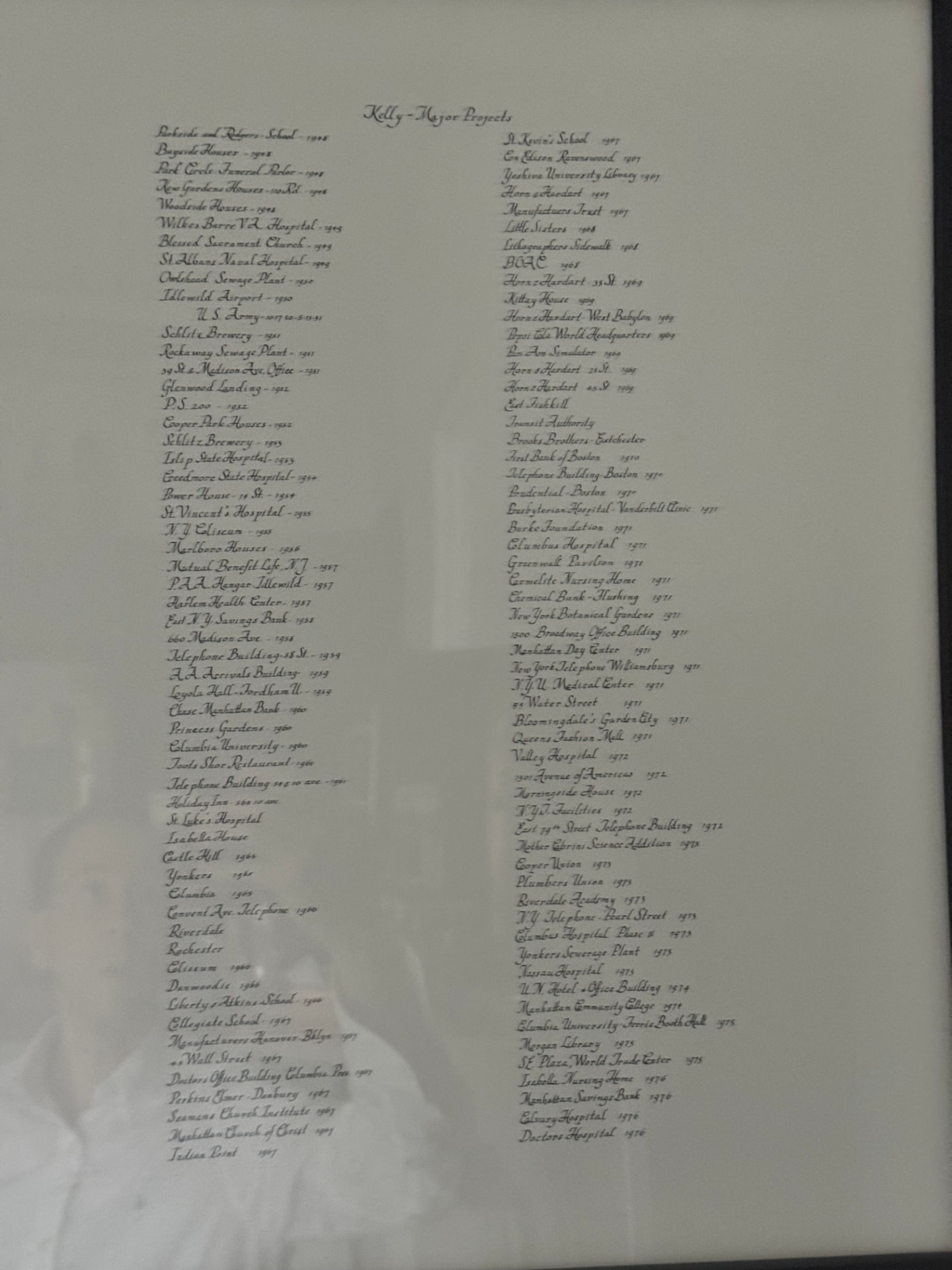
Rita Bartscherer’s handwritten entry: Power House — 1954

Transcription: Power House — 1954

Recorded by Rita Bartscherer · Bartscherer family record
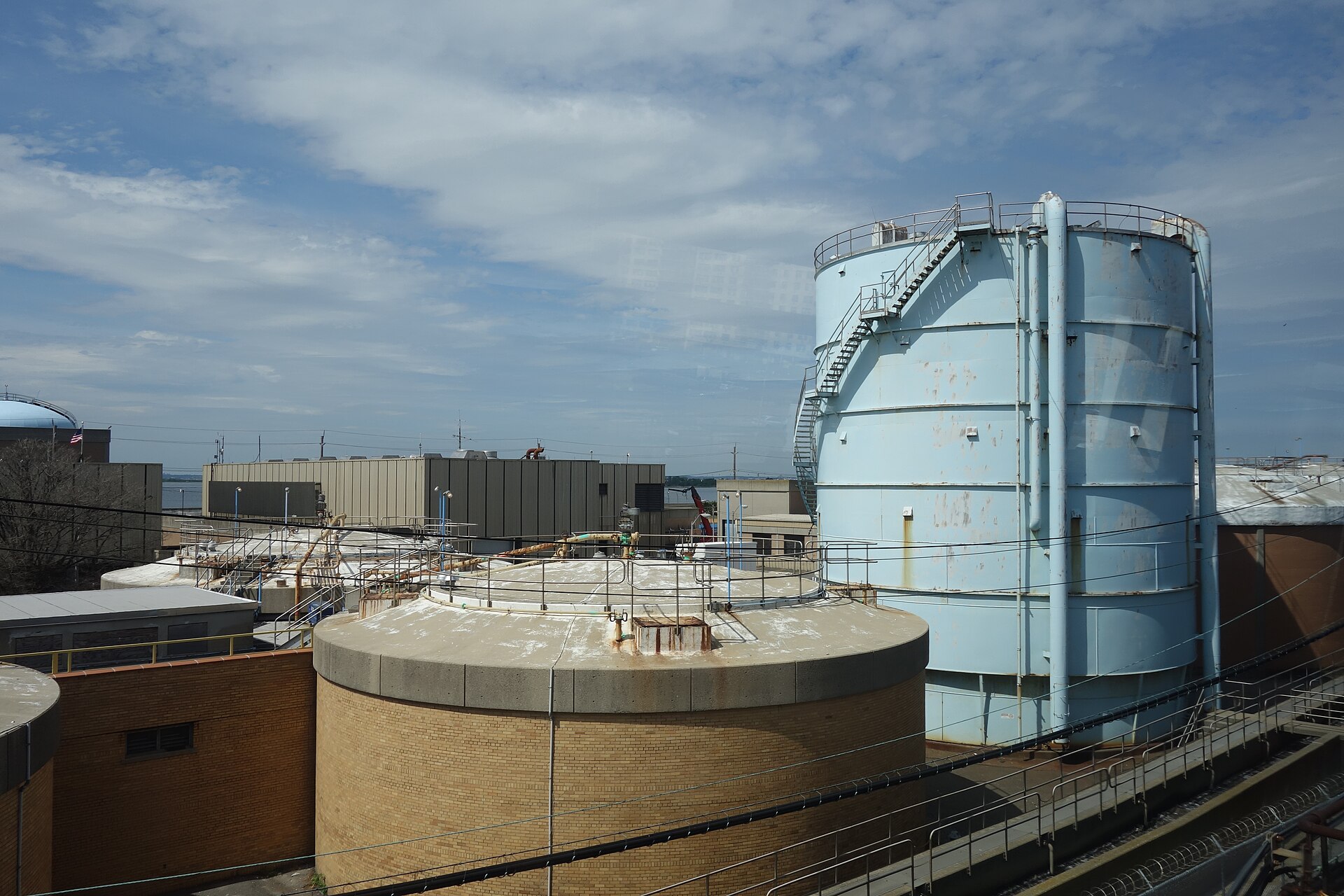
Looking north at the Rockaway Wastewater Treatment Plant, at the Rockaway Freeway and Beach 108th Street in Seaside / Rockaway Park, Queens. Looking from a Rockaway Park–Beach 116th Street-bound…. Photographed in 2018; a current view, not a construction-period photograph.
Current view · 2018 · Photo: Tdorante10 · CC BY-SA 4.0
02 · 1951 · Rockaway, Queens, New York

Rockaway Wastewater Resource Recovery Facility

Rockaway's treatment plant reveals the other end of the water system. Its first stage was built in 1951 and began operating in 1952, eventually treating about 15 million gallons of wastewater a day. The architecture is practical, but the public-health achievement is immense. Joseph's work belonged to the walls around a process most residents never witness—the daily work of protecting neighborhoods, beaches and Jamaica Bay.

Project identity
Verified
Kelly connection
Family source
Masonry scope
Probable

Why this stopWhat happens after the drain

Rita’s list

Rita Bartscherer’s handwritten entry: Rockaway Sewage Plant — 1951

Transcription: Rockaway Sewage Plant — 1951

Recorded by Rita Bartscherer · Bartscherer family record
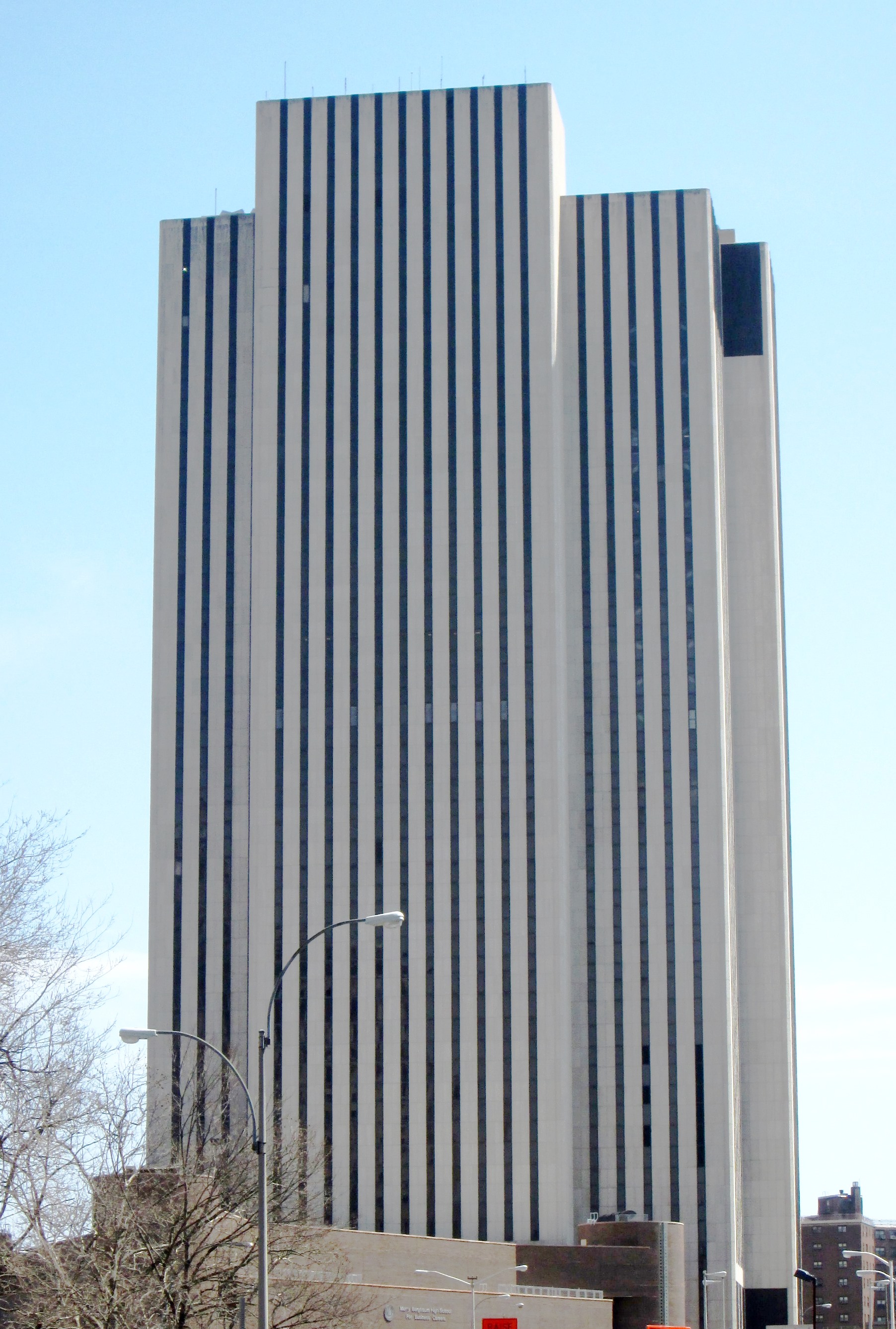
Ravenswood Generating Station in Long Island City, viewed from Roosevelt Island. Photographed in 2017; a current view, not a construction-period photograph.
Current view · 2017 · Photo: Rhododendrites · CC BY-SA 4.0
03 · 1967 · Queens / New York City

Con Edison Ravenswood Generating Station — gas-turbine plant construction

Ravenswood rose on the Queens waterfront as New York's appetite for electricity surged. Rita's 1967 entry aligns with a gas-turbine expansion at the complex, which remains the city's largest generating station. Today the same site is being discussed as part of a cleaner-energy transition. The stop asks visitors to see infrastructure as a continuing story: cities rarely abandon their most useful sites; they adapt them to new technologies and expectations.

Project identity
Verified
Kelly connection
Family source
Masonry scope
Strong

Why this stopKeeping the lights on

Rita’s list

Rita Bartscherer’s handwritten entry: Con Edison Ravenswood — 1967

Transcription: Con Edison Ravenswood — 1967

Recorded by Rita Bartscherer · Bartscherer family record
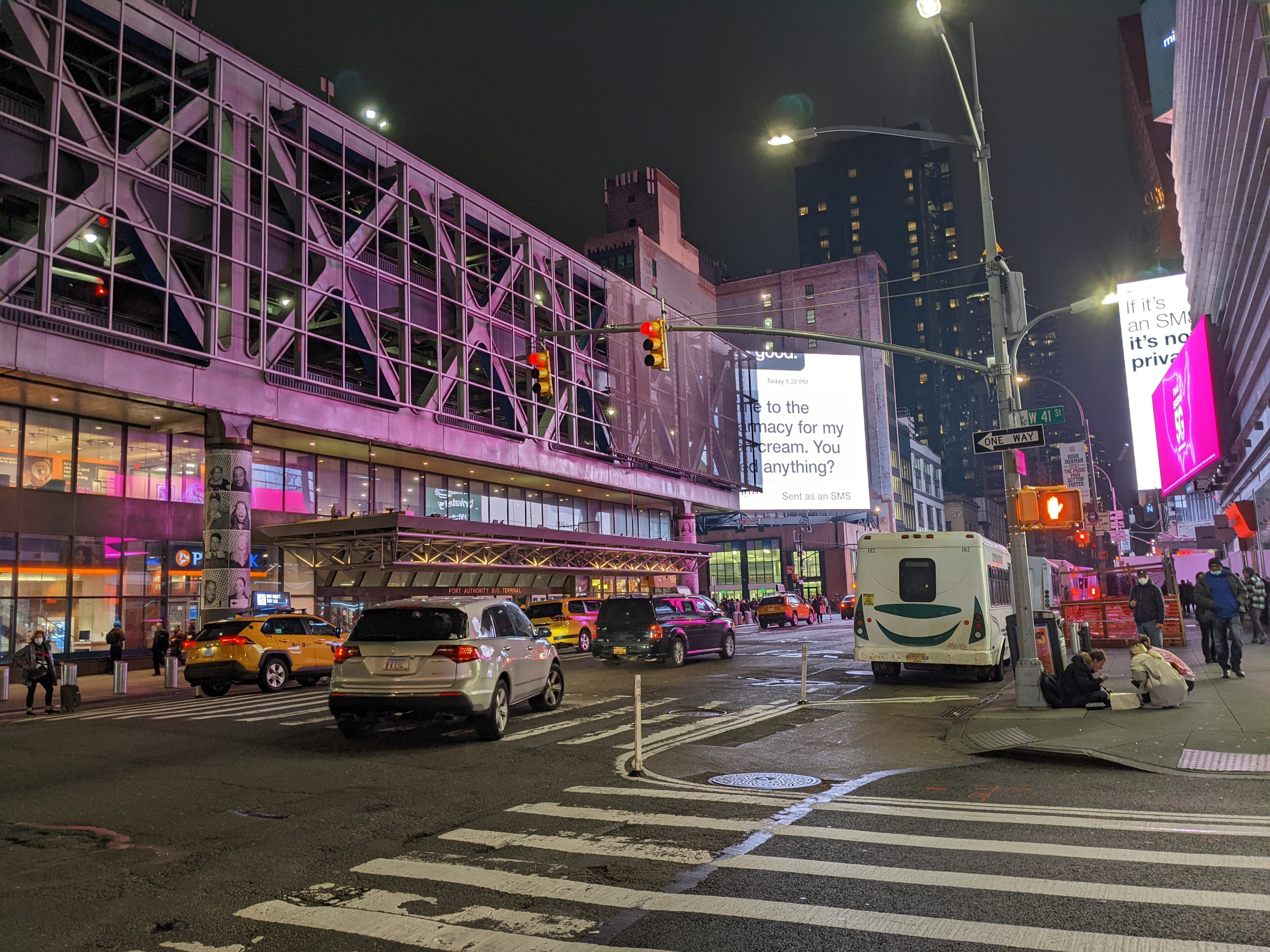
375 Pearl Street photographed in 2013, before the 2019–2021 recladding: the windowless switching block Joseph's 1973 list points to. Not a construction-period photograph.
2013 · Photo: Beyond My Ken · CC BY-SA 4.0
04 · 1973 · Manhattan, New York

New York Telephone Building — 375 Pearl Street

375 Pearl Street was built as a nearly windowless telephone switching center—the kind of building designed around machines rather than people. Its massive blank façades became a downtown landmark, then were dramatically opened with glass when the structure was converted to offices. The before-and-after is a perfect lesson in urban reuse: the city's communications infrastructure can become ordinary workplace space while the original concrete frame continues doing its job.

Project identity
Verified
Kelly connection
Family source
Masonry scope
Unresolved

Why this stopThe building that carried conversations

Rita’s list

Rita Bartscherer’s handwritten entry: N.Y. Telephone - Pearl Street — 1973

Transcription: N.Y. Telephone - Pearl Street — 1973

Recorded by Rita Bartscherer · Bartscherer family record
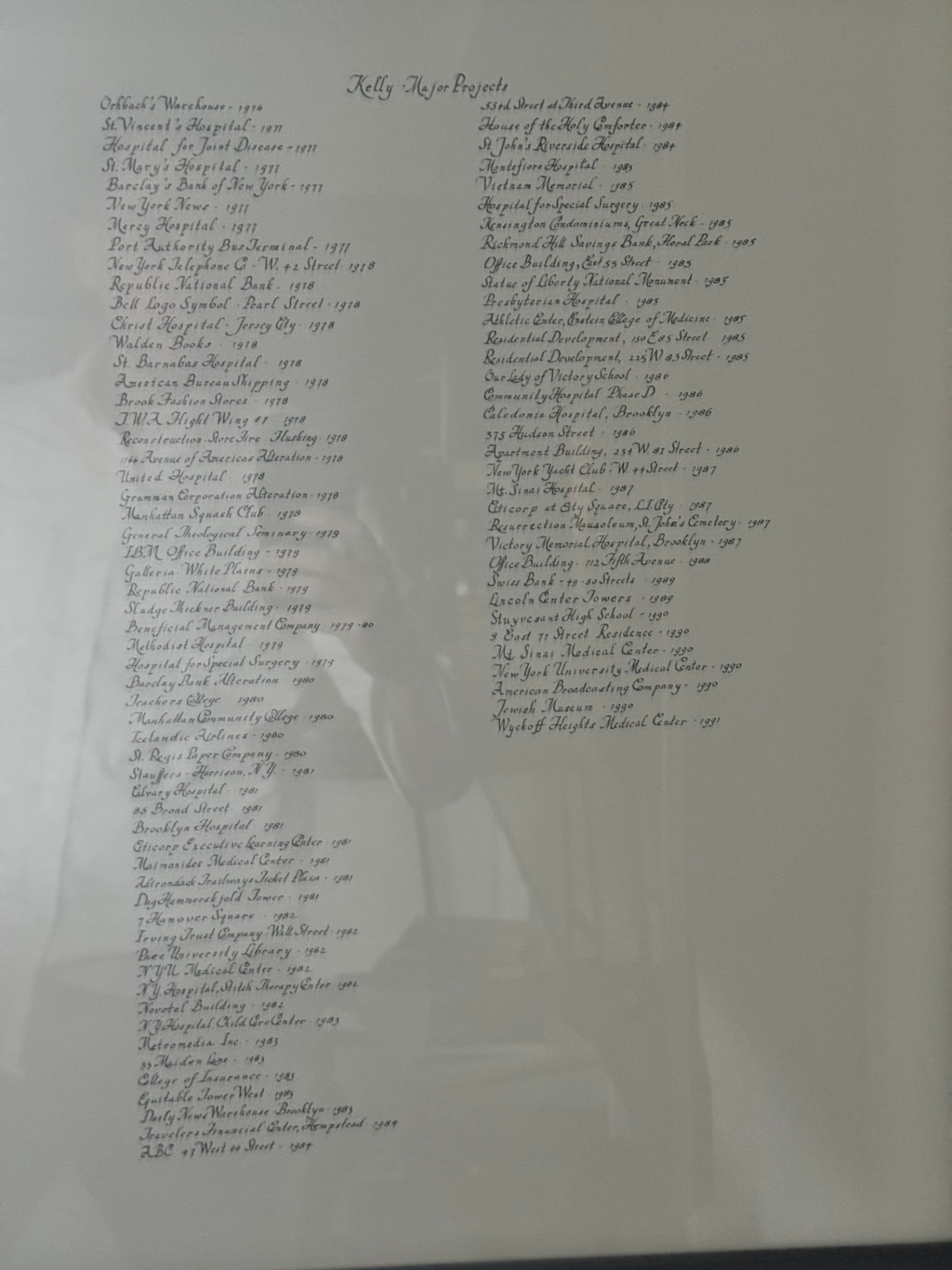
The bus terminal photographed in 2022. Current exterior, not the 1970s expansion under construction.
Current view · 2022 · Photo: Eden, Janine and Jim from New York City · CC BY 2.0
05 · 1977 · Manhattan, New York

Port Authority Bus Terminal — 1975–79/81 North Wing expansion

The Port Authority Bus Terminal is a machine for sorting people, buses, ramps and city streets. Rita's entry belongs to its major 1970s expansion, when the terminal grew to meet enormous commuter demand. Its complicated circulation explains why transportation buildings are never just façades. Every wall sits inside a choreography of arrivals, departures and transfers—and the current replacement plans show how difficult it is to rebuild a system that cannot simply stop.

Project identity
Verified
Kelly connection
Family source
Masonry scope
Strong

Why this stopMoving a city by bus

Rita’s list

Rita Bartscherer’s handwritten entry: Port Authority Bus Terminal — 1977

Transcription: Port Authority Bus Terminal — 1977

Recorded by Rita Bartscherer · Bartscherer family record
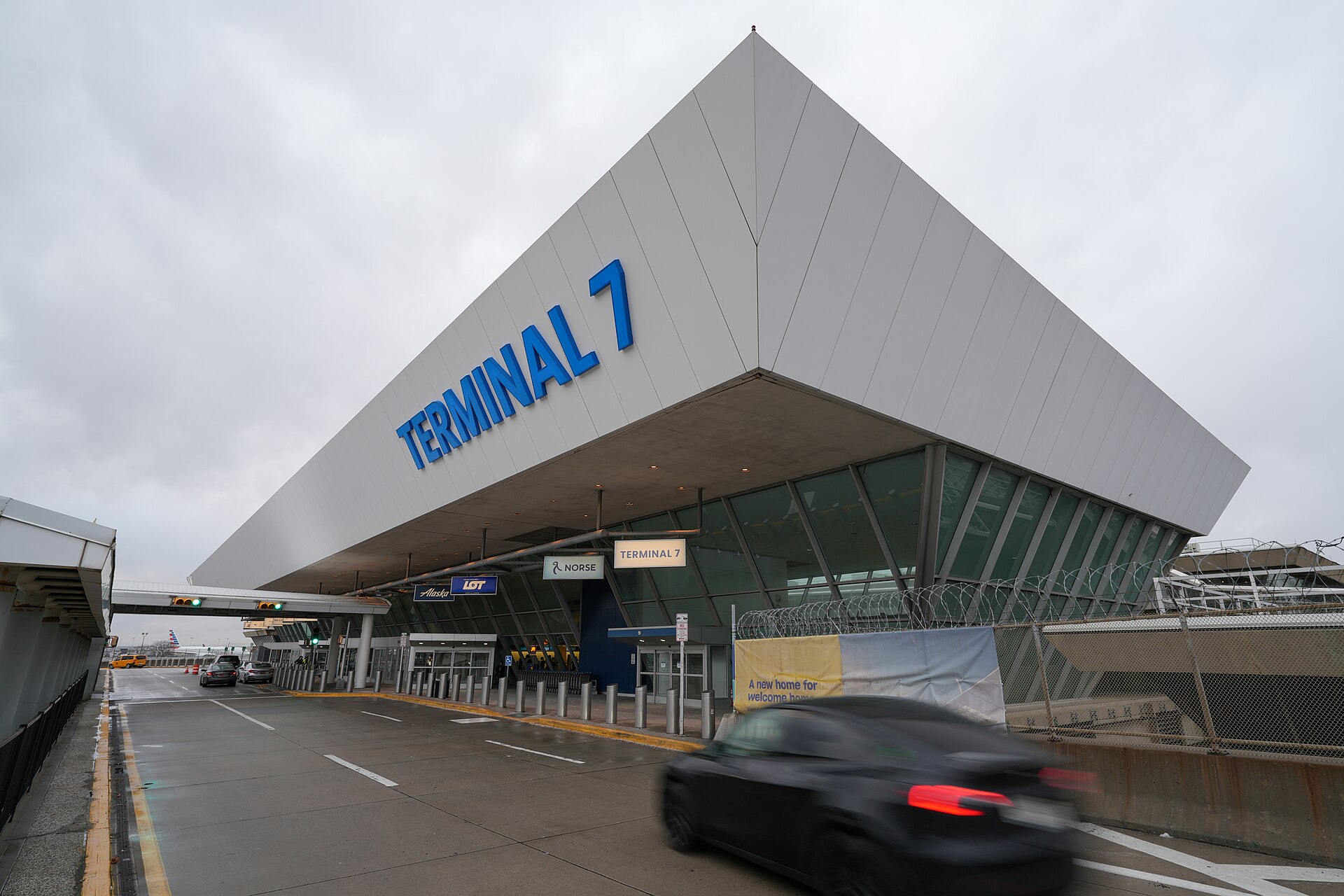
The exterior of Terminal 7 at John F. Kennedy International Airport (JFK). Photographed in 2025; a current view, not a construction-period photograph.
Current view · 2025 · Photo: Quintin Soloviev · CC BY 4.0
06 · 1968 · Queens, New York

BOAC Terminal / later JFK Terminal 7

JFK's Terminal 7 was created for international travel at the moment wide-body jets were changing aviation. Behind the recognizable terminal were baggage systems, immigration spaces, lounges, service corridors and aircraft gates working as one organism. Rita's entry brings Joseph into that hidden operational world. The terminal's later tenants and eventual replacement also show how airport buildings age quickly even when their concrete and masonry still appear permanent.

Project identity
Verified
Kelly connection
Family source
Masonry scope
Possible

Why this stopA gateway built for constant change

Rita’s list

Rita Bartscherer’s handwritten entry: BOAC — 1968

Transcription: BOAC — 1968

Recorded by Rita Bartscherer · Bartscherer family record
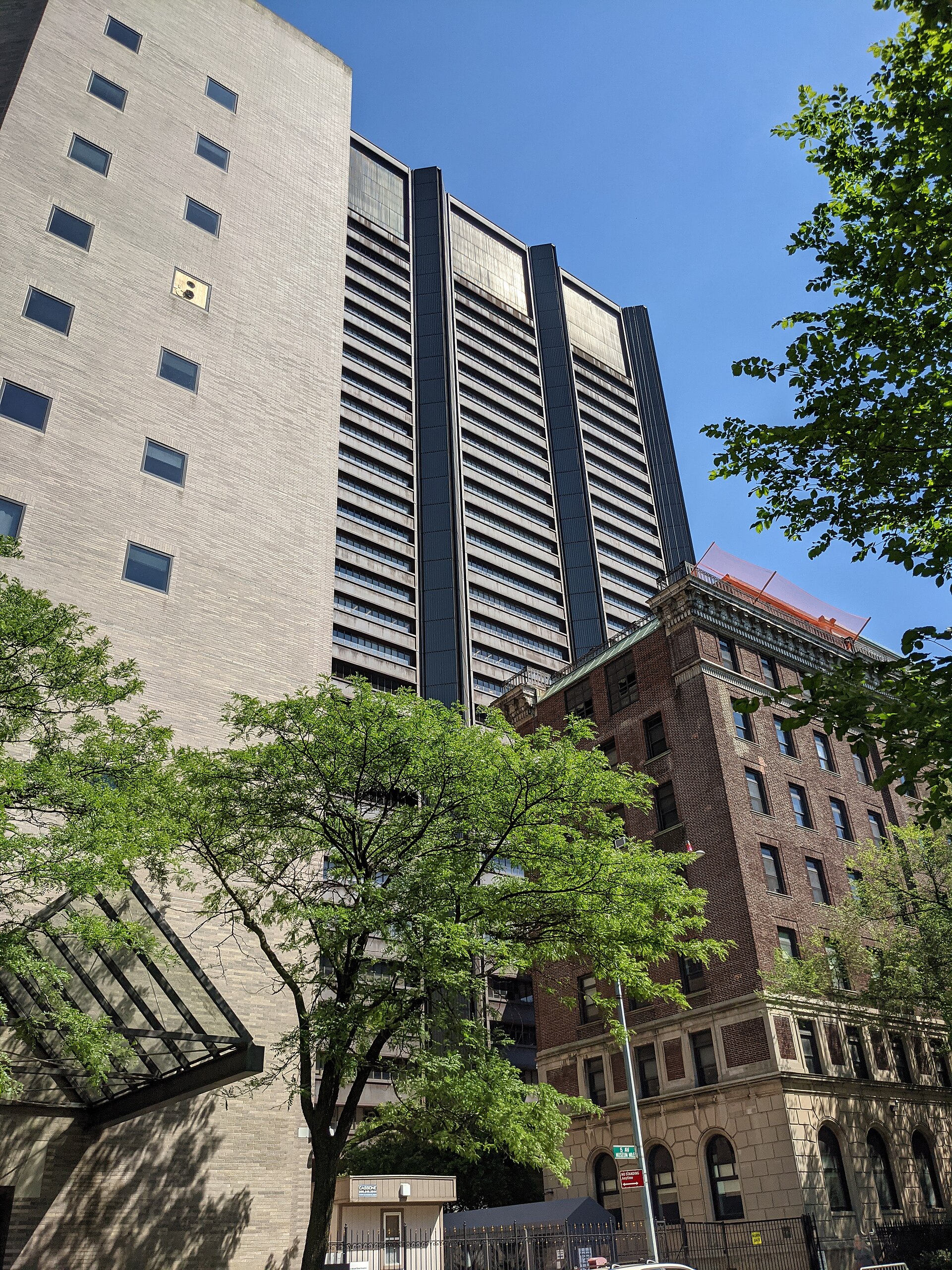
The Guggenheim Pavilion as completed; the same physical building as the 1987 record, photographed long after both construction phases.
Current view · 2021 · Photo: Eden, Janine and Jim · CC BY 2.0
07 · 1990 · Manhattan, New York

Mount Sinai Medical Center — Guggenheim Pavilion Phase II construction

Mount Sinai's Guggenheim Pavilion closes the tour with a system built around the human body. Hospitals have to move patients, staff, supplies, air and information while remaining calm and legible to visitors. The pavilion's layered construction history places Rita's entry inside a campus that was constantly modernizing. Like reservoirs, power stations and terminals, a hospital is an invisible network made architectural—and one New Yorkers depend on at their most vulnerable moments.

Project identity
Verified
Kelly connection
Documented
Masonry scope
Documented

Why this stopCare as urban infrastructure

Rita’s list

Rita Bartscherer’s handwritten entry: Mt. Sinai Medical Center — 1990

Transcription: Mt. Sinai Medical Center — 1990

Recorded by Rita Bartscherer · Bartscherer family record

At every stop, the visible building was only the shell of a larger system. Water kept moving, electricity kept flowing, messages and travelers kept changing routes, and hospitals kept caring for patients. Rita's list gives those networks a personal scale: one family's record of participating in the city behind the city. The next time something in New York simply works, look for the building—and the people—making it possible.