
Pick a New York story
Each tour is a short route through the archive, assembled from the 205 projects on the family list. A project can appear in more than one. Every stop states what is documented and what is still open.
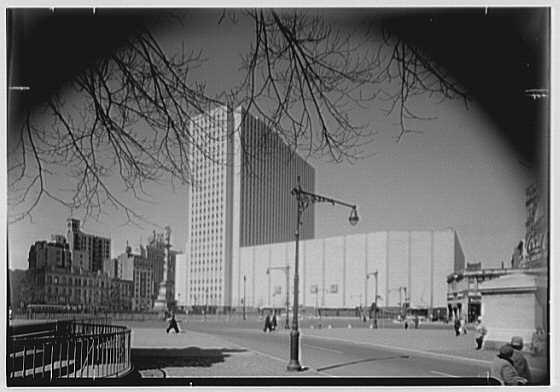
Joseph’s New York
A chronological introduction to Joseph Bartscherer's New York, from the vanished Coliseum to a late-career Battery Park City school.
Signature overview · 10 stops · 1955–1990 · 10 identified
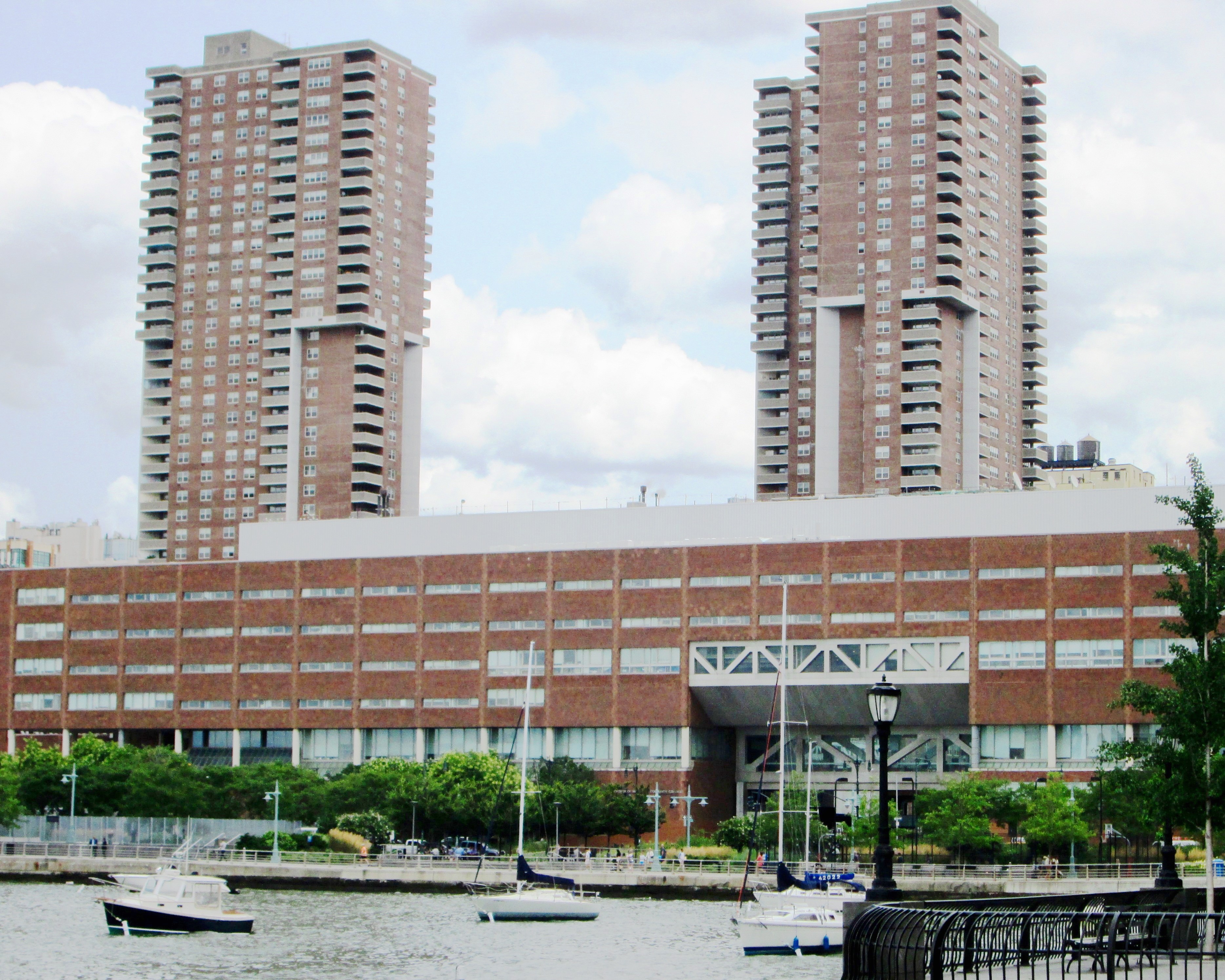
Downtown: Towers, Memory and Reinvention
A geographically coherent walk through Lower Manhattan’s cycles of clearance, modernism, memory and reuse.
Walking route · 7 stops · 1960–1990 · 7 identified
New York That Disappeared
Six projects whose demolition or transformation reveals how quickly New York replaces its own recent past.
Thematic · 6 stops · 1955–1979 · 6 identified
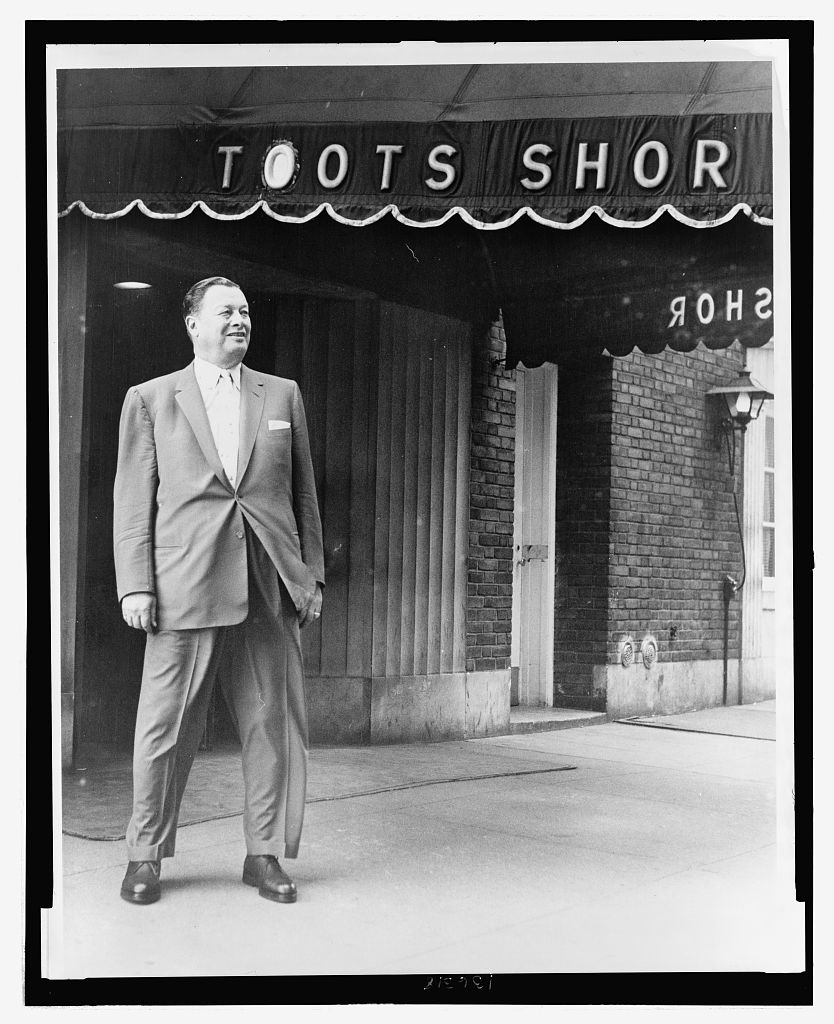
Toots Shor outside his new restaurant — the second location recorded on the list. The Library of Congress carries a rights advisory for this photograph.
The Jet Age and the Communications City
Air travel and telecommunications remade the city’s infrastructure—and Joseph’s list records that transformation from Idlewild to Lower Manhattan.
Thematic · 7 stops · 1950–1978 · 5 identified · 2 in research
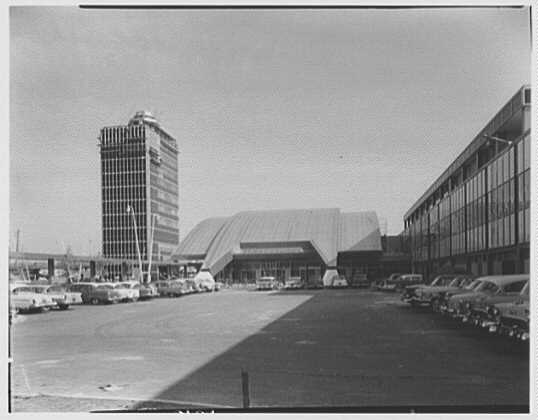
Contextual photograph of Idlewild Airport. The exact 1950 project on Rita's list has not been identified, and this is not presented as the job itself.
The Institutional City
Hospitals, colleges and schools reveal the institutional building campaigns that reshaped New York over three decades.
Thematic · 7 stops · 1967–1990 · 7 identified
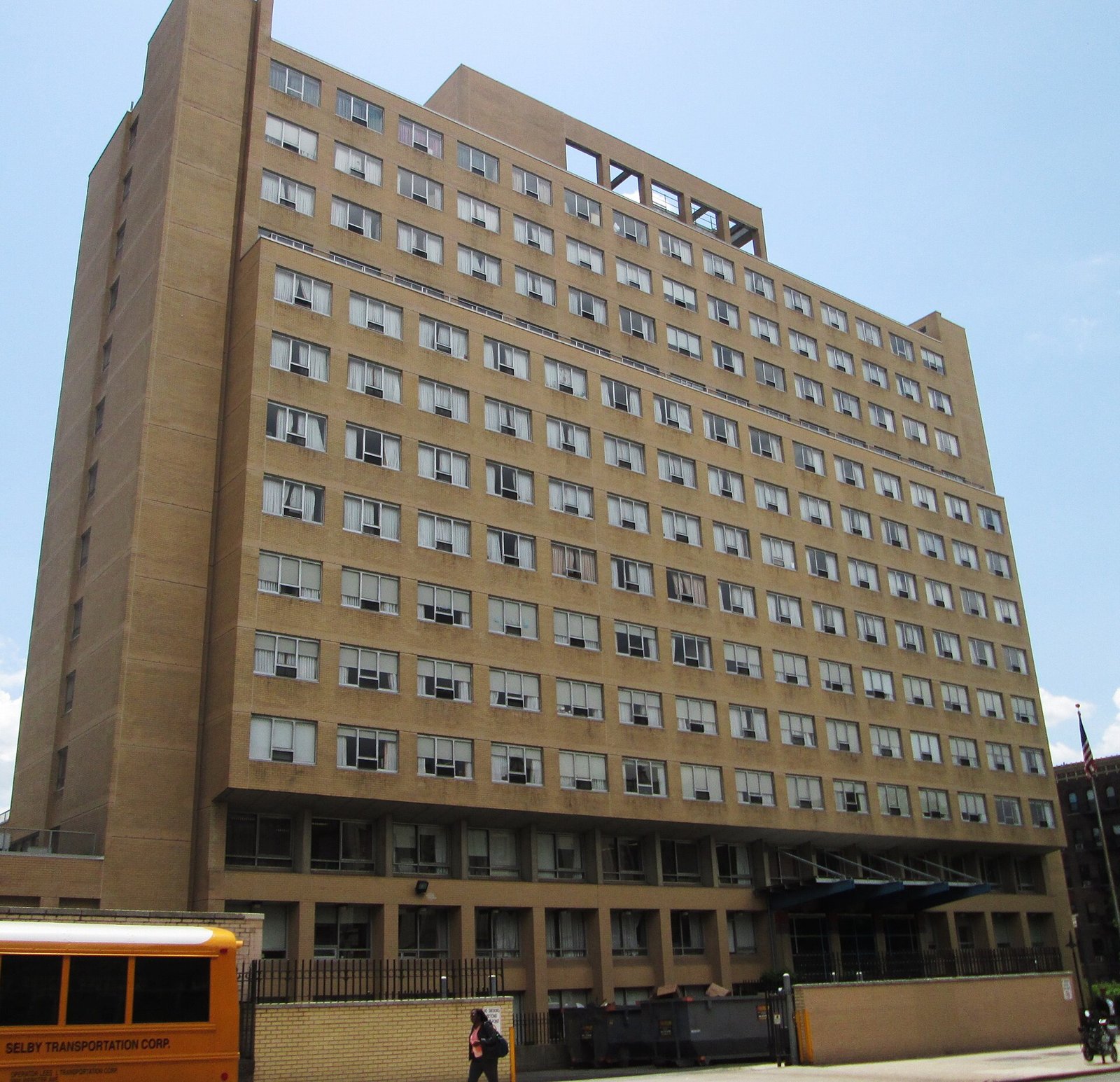
Campus context: the Isabella Geriatric Center on Audubon Avenue. The nursing-home building opened in 1972; the 1976 phase is not confirmed as Joseph's project building.
Buildings with Second Acts
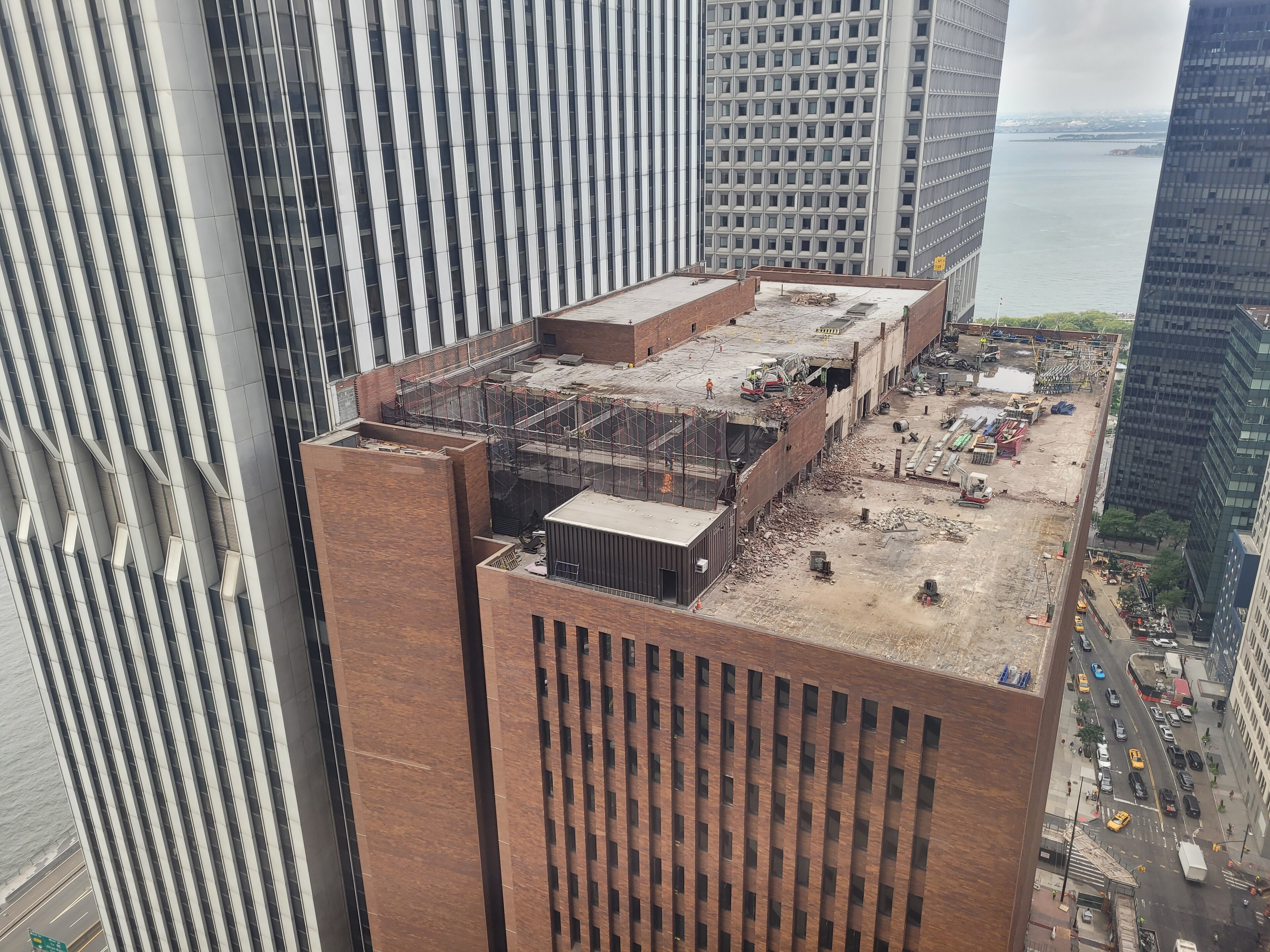
Buildings whose masonry shells or structures found new lives through conversion, recladding, expansion or careful construction around them.
Thematic · 6 stops · 1967–1990 · 6 identified
Corporate New York
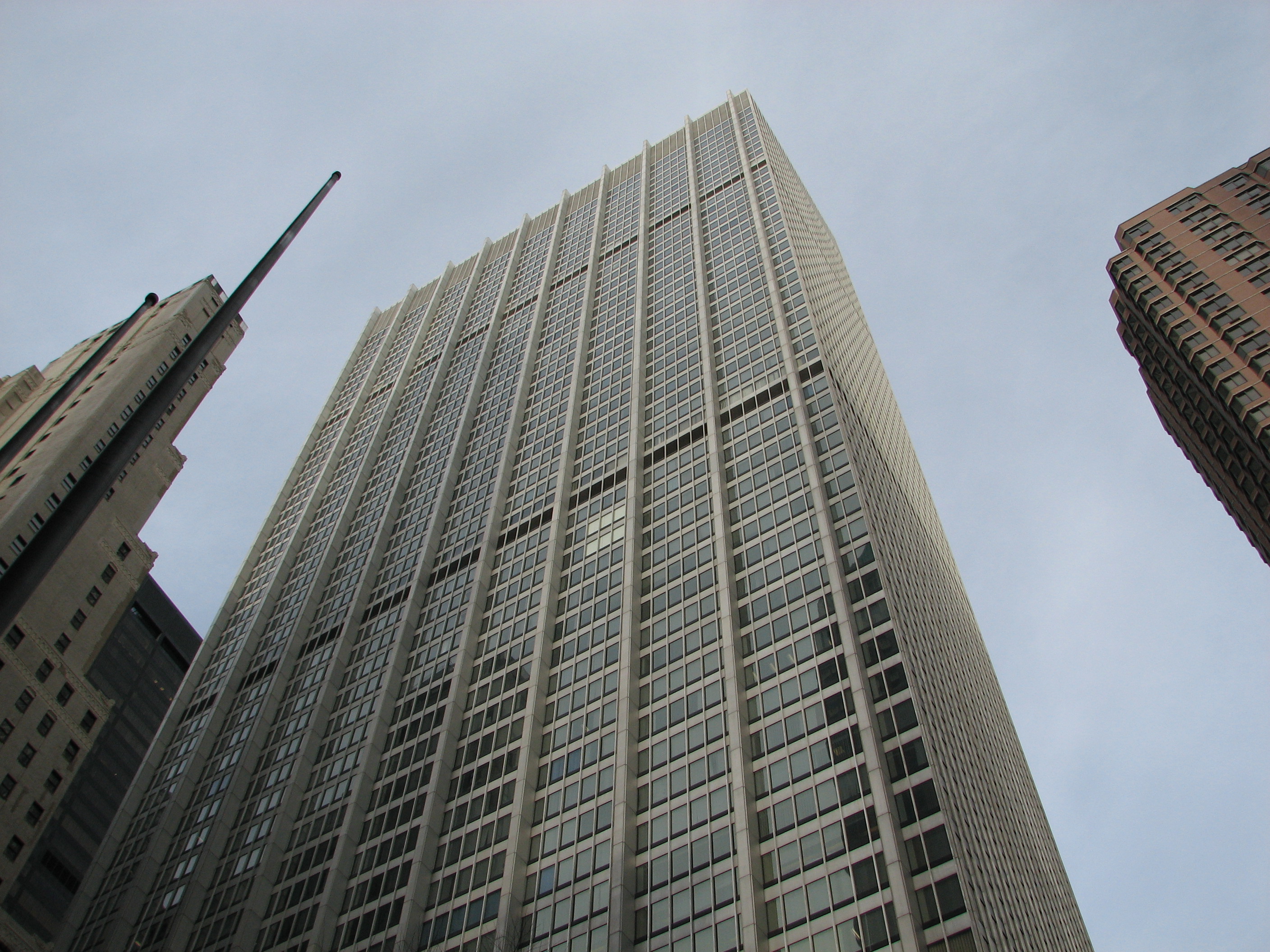
Banks, headquarters and skyline landmarks trace the changing architecture of corporate power.
Thematic · 6 stops · 1960–1987 · 6 identified
From Rita’s list
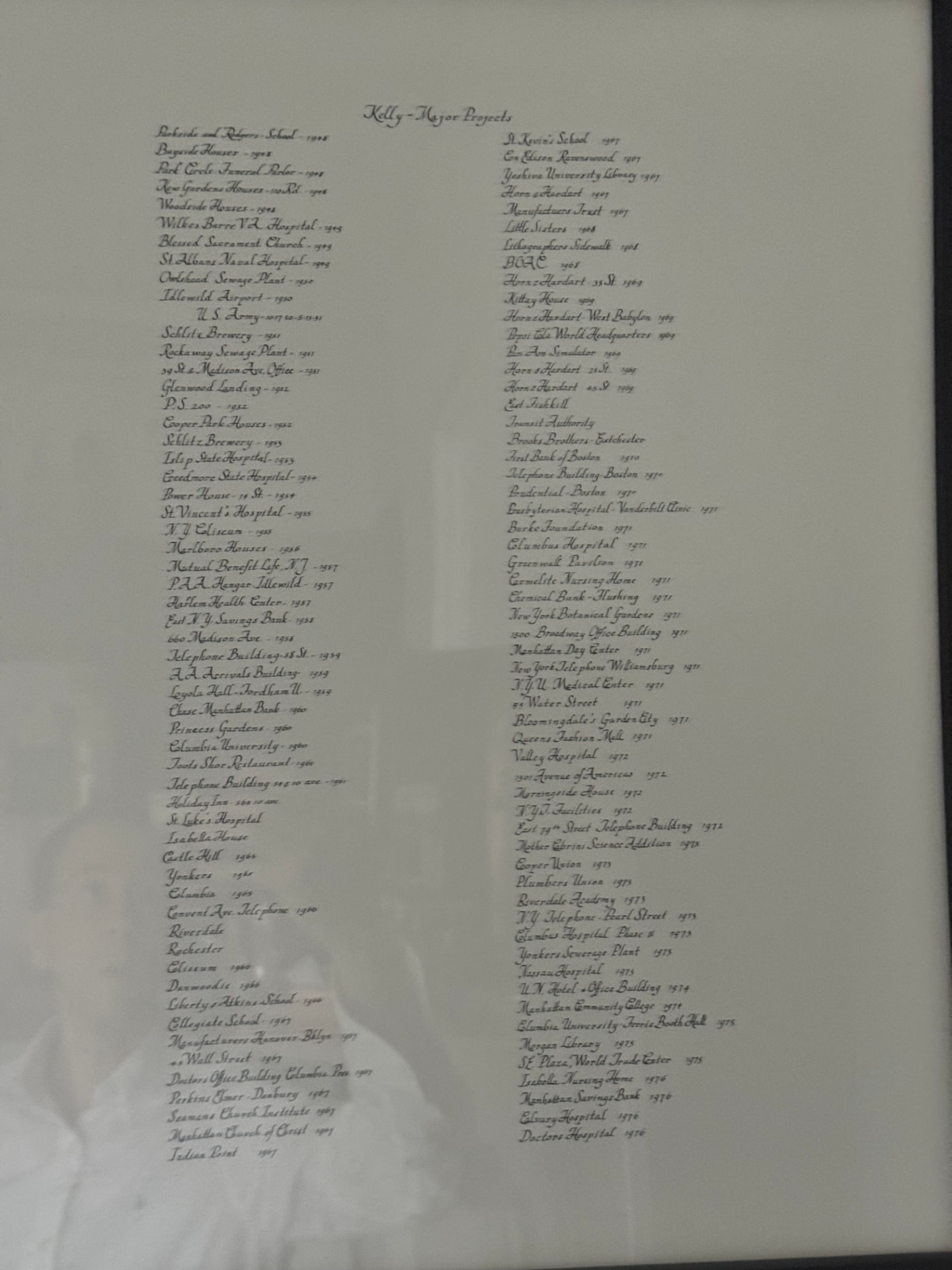
No building photograph is currently assigned.
Help Solve the List
A public research trail through unresolved entries—showing what is known, what is missing and how a breakthrough changes the archive.
Participatory research · 6 stops · 1948–1978 · 2 identified · 4 in research
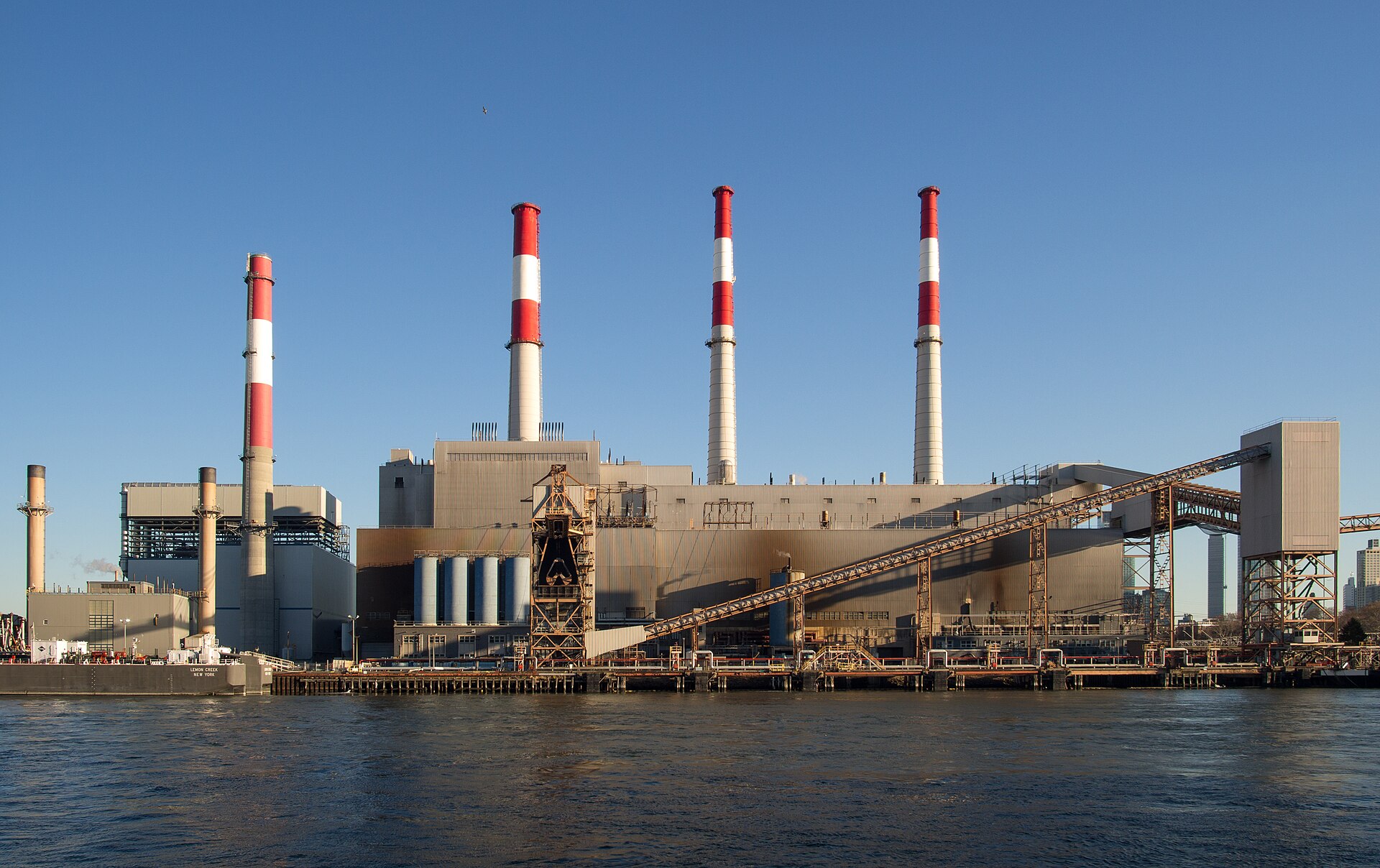
How New York Works
Seven projects reveal the hidden systems that move water, waste, electricity, information, people and care through New York.
Thematic — hidden systems · 7 stops · 1951–1990 · 7 identified
Tours are one way in. The full archive stays open for research.